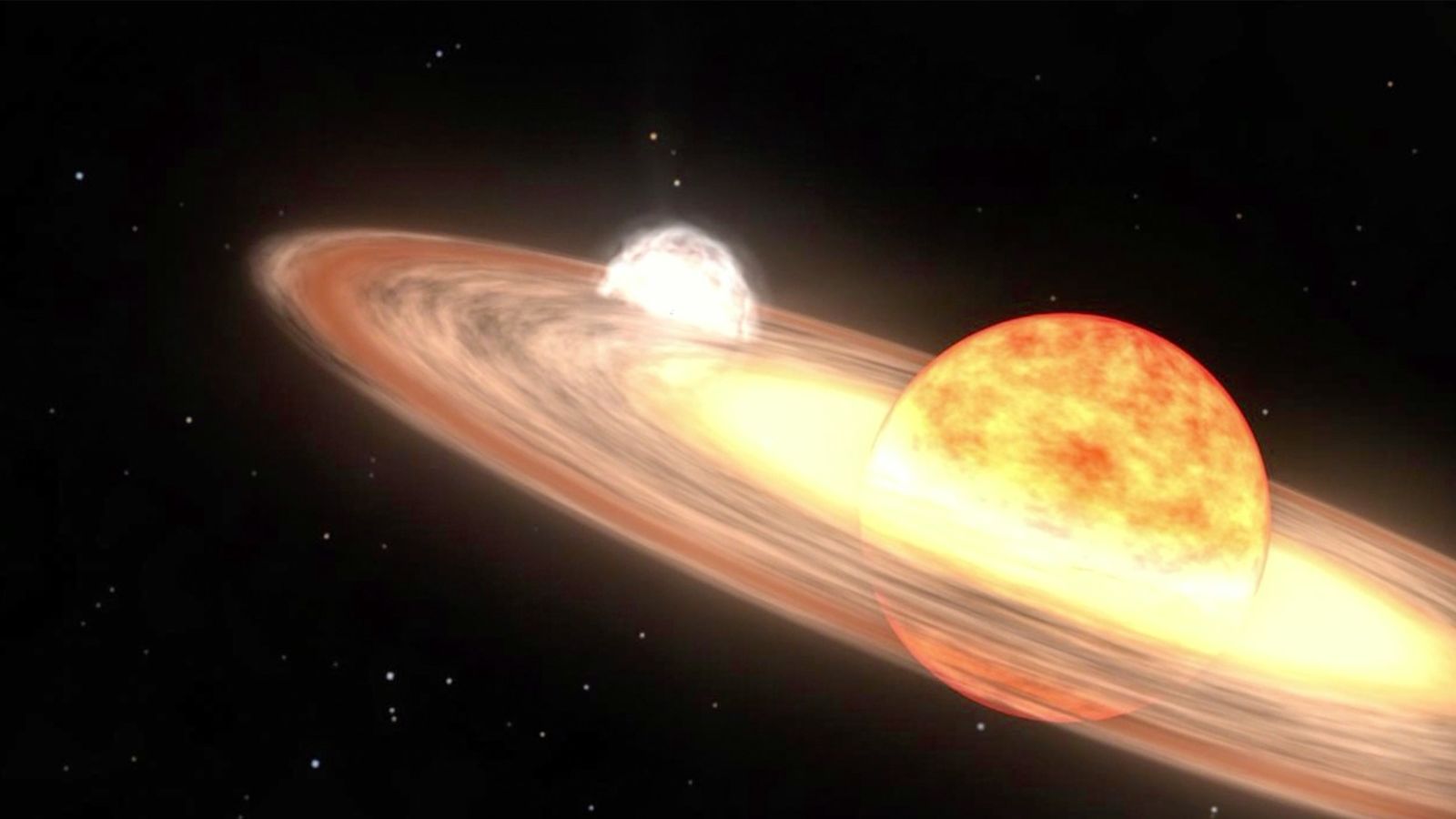
T Coronae Borealis Nova 2025 Dates
BlogT Coronae Borealis Nova 2025 Dates. Artist’s concept of a white dwarf star (left) siphoning gas from its larger. T crb will appear 1,500 times brighter.
This is called a nova. The explosion, known as t corona borealis, is caused by two stars orbiting each other an incredible 3,000 light years away from earth.
Media Tip Sheet The Return of the Blaze Star T Coronae Borealis Set, Fleeting mercury reaches greatest elongation six times in 2025 (3 in the dawn and 3 in the dusk) marking the best time to spy the.
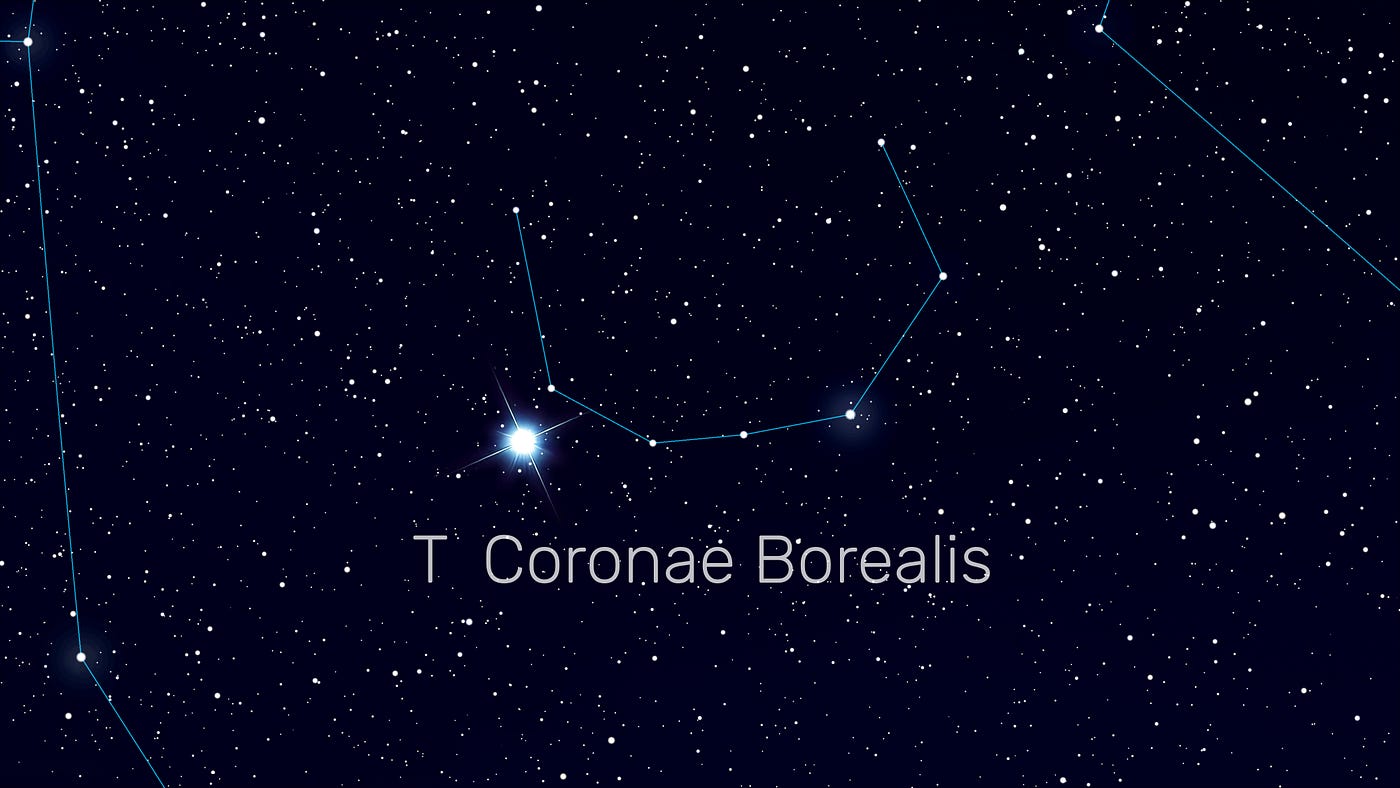
Explosive nova will create a ‘new star’ in the night sky CNN, T coronae borealis, or t crb, last exploded in 1946 and astronomers believe it will do so again between february and september 2025.
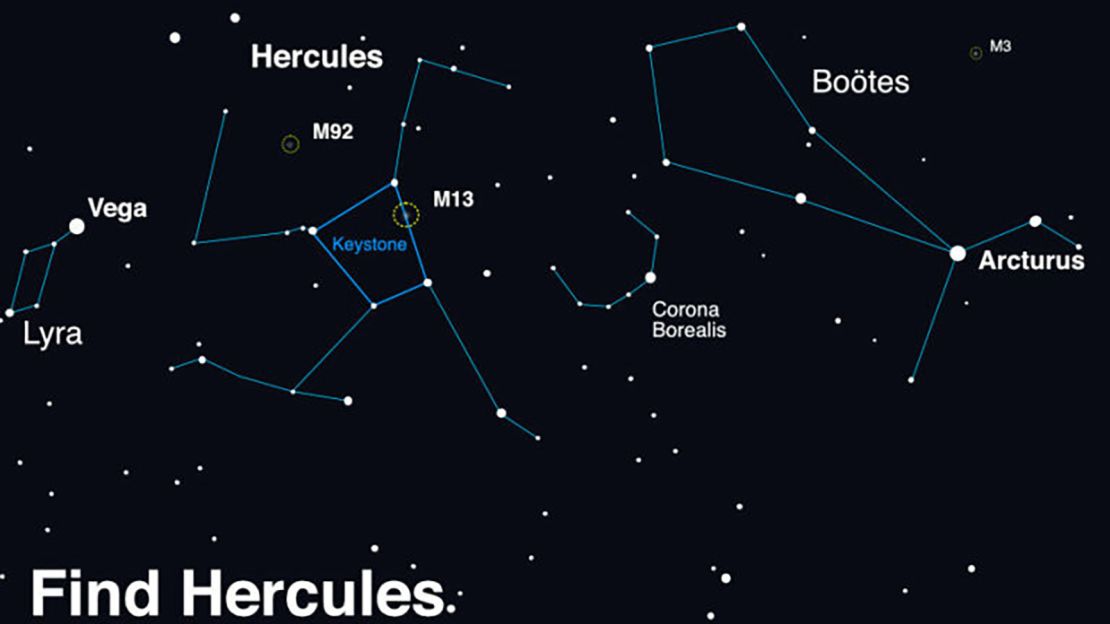
T Coronae Borealis nova outburst is coming. Don't miss new 'star', The explosion, known as t corona borealis, is caused by two stars orbiting each other an incredible 3,000 light years away from earth.

A Nova in the Night Sky Will Make ‘a New Star’ How to See it. The, Today’s paper details astronomers’ 150+ year vigil on t coronae borealis, a nova expected to erupt soon!

T Coronae Borealis nova outburst is coming. Don't miss new 'star', Fleeting mercury reaches greatest elongation six times in 2025 (3 in the dawn and 3 in the dusk) marking the best time to spy the.

Clarkson University Science Cafés Kick Off for Fall on October 2 With, While it could happen as early as this year, it is more likely to happen in the range of 2025 to.

Astronomija T Korona Borealis naučnici predviđaju eksploziju nove, A broader estimation, however, put the sighting to occur anytime this year.
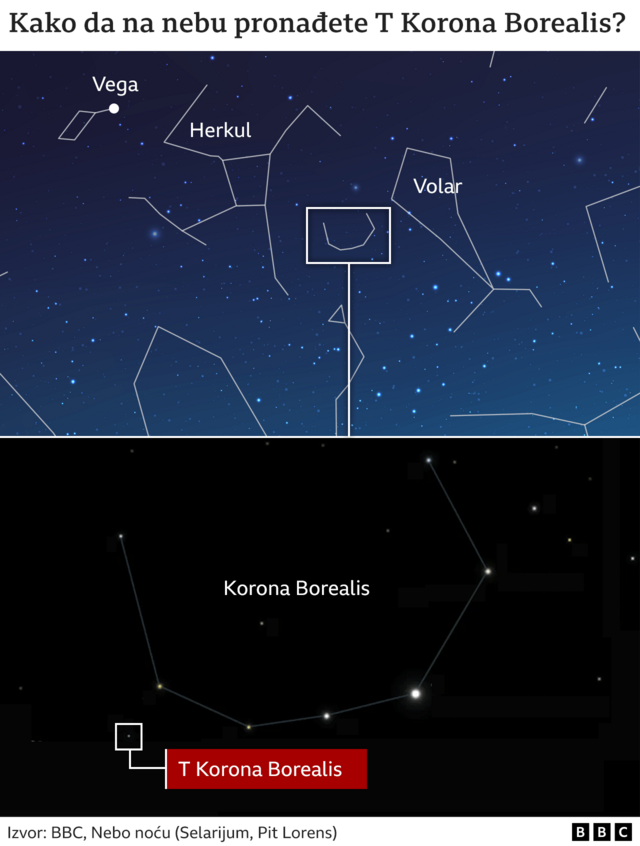
T Coronae Borealis Star system explosion could be seen from Earth, T coronae borealis, or t crb, last exploded in 1946 and astronomers believe it will do so again between february and september 2025.

T Coronae Borealis Star system explosion could be seen from Earth, The latest news, as per the guardian, seems to indicate that.

Una explosión “única en la vida” traerá una nueva estrella al cielo, T coronae borealis (t crb) is a famous recurrent nova with known eruptions in the years 1217, 1787, 1866, and 1946.